

Where to Find this Episode:
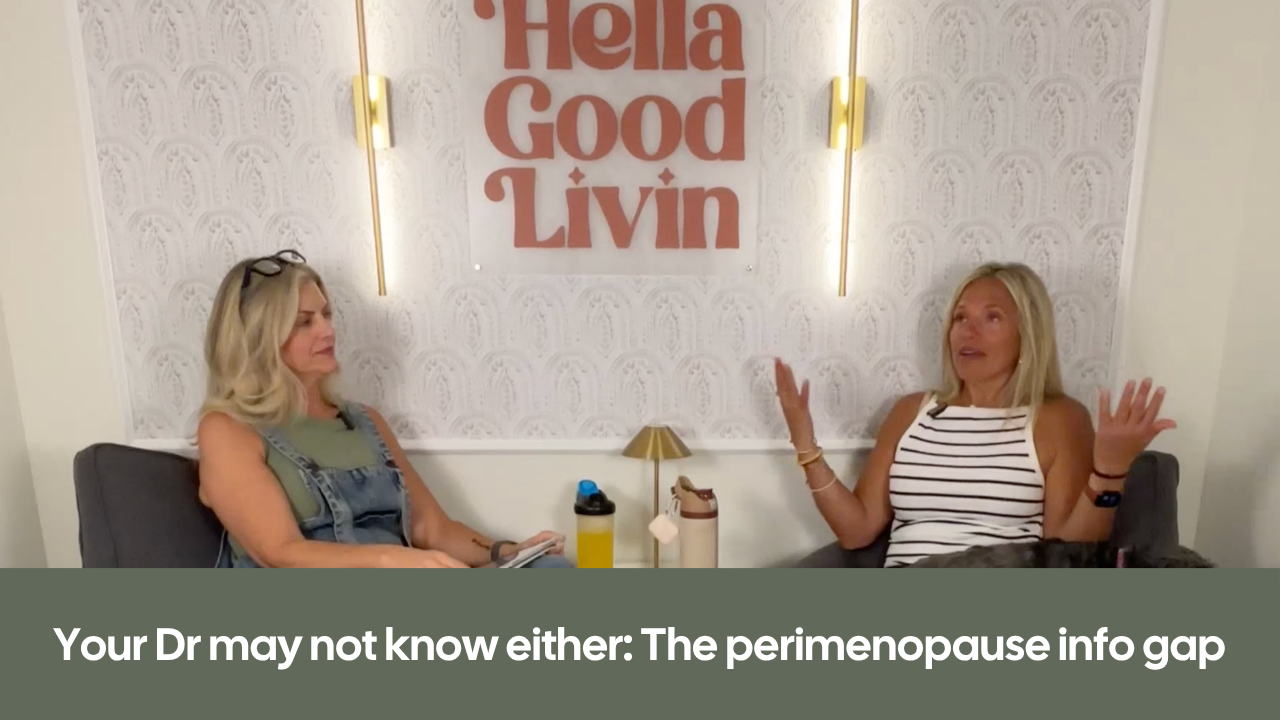
Perimenopause is a term that's rarely uttered in doctor's offices, yet it greatly impacts the lives of millions of women worldwide. Did you know that 45% of women between the ages of 35 and 54 learned about perimenopause through social media rather than from their doctors? This startling statistic indicates a significant gap in communication and education around women's health. In this blog post, we'll explore this gap, common perimenopausal symptoms, and practical advice on finding the help you need.
Understanding Perimenopause
Perimenopause is the period before menopause when a woman’s hormone levels start to change. It's a phase that can start as early as a woman's 30s and last for several years. Common symptoms include hot flashes, brain fog, mood swings, sleep disruption, and more, often leading women to question, "What is happening to me?"
Unfortunately, many women find themselves dismissed by healthcare providers when seeking answers. It's not unusual to hear, "That's normal," or to have symptoms attributed to other medical conditions, such as diabetes. This lack of support often drives women to either self-diagnose or seek answers through social media.
The Role of Social Media
It's both empowering and unnerving to realize that nearly half of women in the 35-54 age group turn to social media for information on perimenopause. While platforms like TikTok and Instagram offer communities and resources, the information can vary greatly in accuracy. Therefore, it's essential to approach social media as a starting point, rather than a definitive guide.
Navigating Medical Support
The truth is, many healthcare providers lack training in menopause medicine. Only 31% of OBGYN residency programs include a menopause curriculum, leaving a void in specialized care. To fill this gap, women must advocate for themselves, seeking providers who listen and have experience dealing with perimenopause.
Useful resources include The Menopause Society (menopause.org) and The Women's Health Office (womenshealth.gov), which can help locate trained professionals. These platforms can guide you to practitioners who treat women holistically, rather than addressing symptoms piecemeal.
The Importance of Self-Advocacy
The journey through perimenopause doesn't have to be solitary. Many women find relief through hormone replacement therapy, lifestyle adjustments, and support from specialists who understand their needs. Record your symptoms, discuss them candidly with your doctor, and don't hesitate to seek a second opinion if you're dismissed.
The Bigger Picture
While societal and medical support is gradually improving, with legislative measures and initiatives gaining traction, there's still work to be done. We encourage women experiencing these changes to speak up, to share stories, and to demand the care they deserve. It's important to remember that this is not your fault—it's a systematic issue, and your journey can help pave the way for others.
Your Stories Matter
We want to hear from you. How did you learn about perimenopause? Was it through social media, or did a conversation with a friend or family member light the path? Join the conversation on our social media channels—your experience can provide invaluable insight and support to others navigating this journey.
To all the women embarking on or enduring this phase of life, know that you're not alone. Empower yourself with knowledge, find a community that supports you, and always remember, your well-being is worth advocating for. Cheers to taking charge of your health and living your best life!
Resources: The Menopause Society (menopause.org), ACOG (acog.org), and the NIH Office on Women's Health (womenshealth.gov).
Need help figuring out this chapter? Grab our Perimenopause guide here.
Share:
Episode 5: Midlife friendship: Finding deeper connections
Episode 7: Keys to the mindset you crave